
Proofreading and editing: the second pair of eyes
A translation is rarely finished when the first draft is done, and two different kinds of review catch two different kinds of problems.
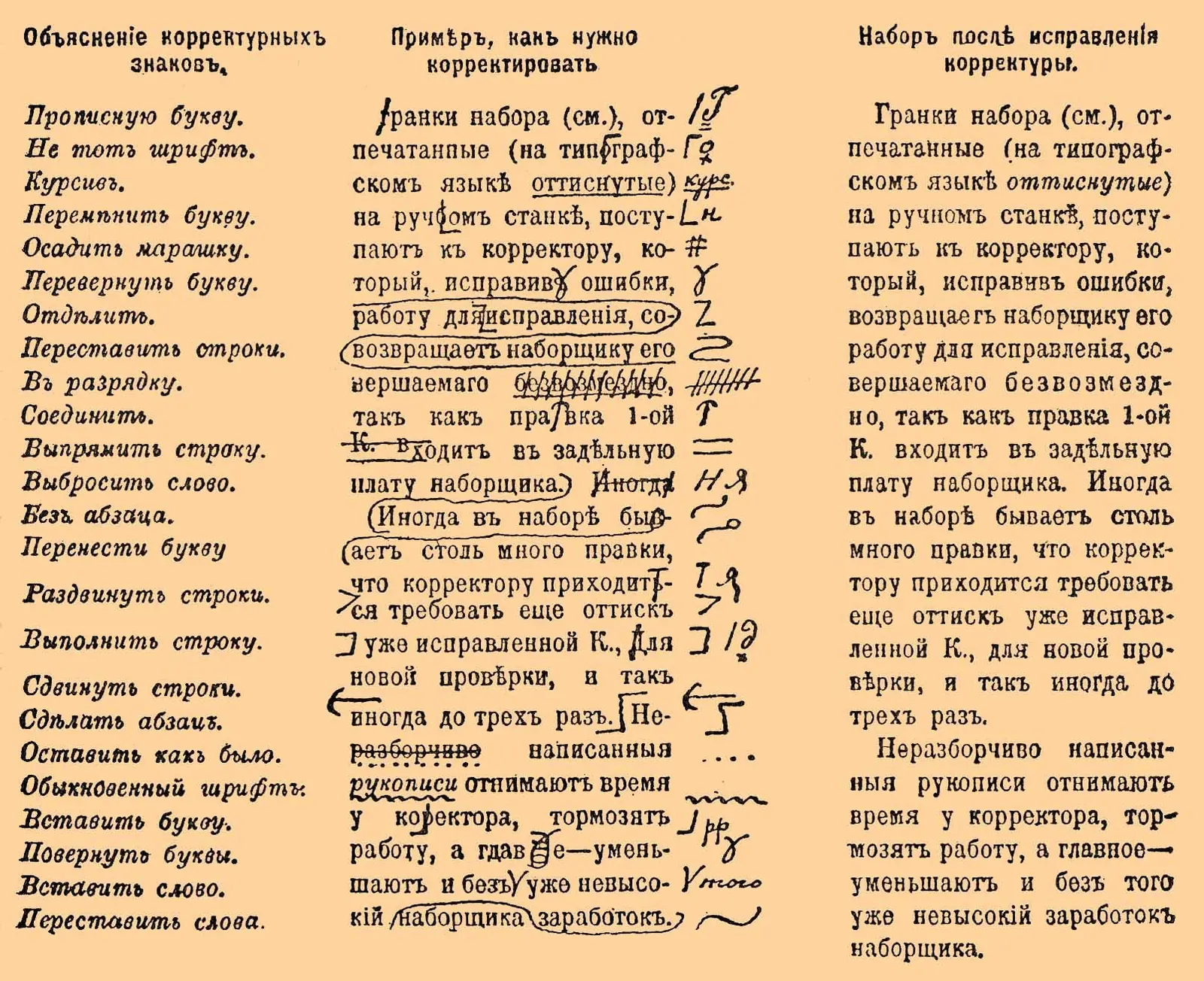
Most people use "proofreading" for any check made after the translator hands in a draft. In practice there are two distinct jobs, and they look at different things. Knowing which one you need saves time, and it stops you paying for a check that cannot find the problems you are worried about.
Two jobs with similar names
Bilingual revision (often called editing or revision) means a second linguist reads the translation against the original text. Monolingual proofreading means someone reads only the finished target text, without looking at the source, to see whether it works as writing in its own right.
The two checks are complementary. Neither one replaces the other, and neither replaces the translator's own self-review before delivery.
What bilingual revision catches
Because the reviser has both texts open, they can find problems that only show up in the comparison:
- Omissions. A sentence, a clause or a qualifier that disappeared on the way across.
- Additions. Words that were not in the source and change what it says.
- Mistranslations. A false friend, a misread negation, a number or unit that shifted.
- Terminology drift. The same source term rendered three different ways in one document.
- Register mismatch. A formal original turned into chatty prose, or the reverse.
This is the right step for anything where accuracy carries weight, such as contracts and technical documents. A text can read smoothly and still be wrong, and only a comparison with the source will reveal it.
What monolingual proofreading catches
A proofreader who reads only the target text approaches it as a reader would. That fresh view picks up things a reviser, absorbed in comparing, can miss:
- Spelling, punctuation and typing slips.
- Awkward phrasing that is correct but sounds like a translation.
- Inconsistent capitalisation, hyphenation or date and number formats.
- Broken or doubled words, stray spaces, and leftover fragments of the source language.
- Layout faults such as headings in the wrong style, missing list items or mismatched cross-references.
It is the usual final step for brochures, web copy and anything that will be read by the public. It is quick and inexpensive compared with a full revision because the proofreader is not checking meaning against another language.
Which one do you need?
A simple rule of thumb helps:
- If a wrong meaning would cause trouble, ask for bilingual revision.
- If the text is going in front of readers and polish matters, add monolingual proofreading.
- If both apply, do them in that order: revision first, proofreading last.
The order matters. Proofreading before revision wastes effort, because the reviser will change sentences and introduce new things to check. Proofread once the wording has settled.
Keeping changes readable: tracked changes
Every edit should be visible. Tracked changes in a word processor show what was deleted, what was added and who made each change, so the translator and the client can follow the reasoning rather than receive a mystery file.
A few habits keep a tracked document manageable:
- Make real corrections, not endless small rewrites of taste. If a change is only a preference, say so in a comment.
- Use comments for explanations and keep them short, one point per comment.
- Keep a clean copy as well, with all changes accepted, so nobody has to read through a thicket of markup to see the result.
- Do not accept or reject changes silently. The translator should be able to see what was kept and what was declined.
Query lists for the questions that need an answer
Some problems cannot be solved by the linguist alone. The source may be ambiguous, a term may be missing from the glossary, or an abbreviation may have more than one reading. Burying these as comments scattered across fifty pages makes them easy to overlook.
A query list collects them in one place, usually a short table or spreadsheet with these columns:
- A reference to the location, such as page, section or segment number.
- The source wording in question.
- The question itself, phrased so it can be answered in a line.
- The proposed solution, so the client can simply approve it.
- A space for the answer.
Phrasing queries with a suggested answer is considerate. "Does this mean the supplier or the buyer? We have assumed the buyer" is far easier to resolve than "unclear".
Setting up the review to go well
Good reviews start before the first draft exists. A glossary and style guide give reviewers something concrete to check against, which turns many arguments of taste into simple questions of fact. Clean source files also help, since formatting problems in the original tend to reappear in the translation.
It is worth agreeing in advance who has the final say when the translator and reviser disagree. In most projects the client's terminology wins, then the style guide, then the linguists' judgement. The wider flow is described in how translation projects work.
A note on machine output
Text produced by a machine translation system needs its own kind of review, since errors tend to be fluent and confident rather than clumsy. That subject has its own page: machine translation and human review.
In short
Revision compares the translation with the source and protects meaning. Proofreading reads the target on its own and protects polish. Tracked changes show what was altered, and a query list makes sure open questions get answered. Use the right check at the right moment, and the finished text will be both accurate and pleasant to read.