
Who commissions translation, and what each group needs
Different people ask for translation for different reasons, and the questions worth settling first change with each one.
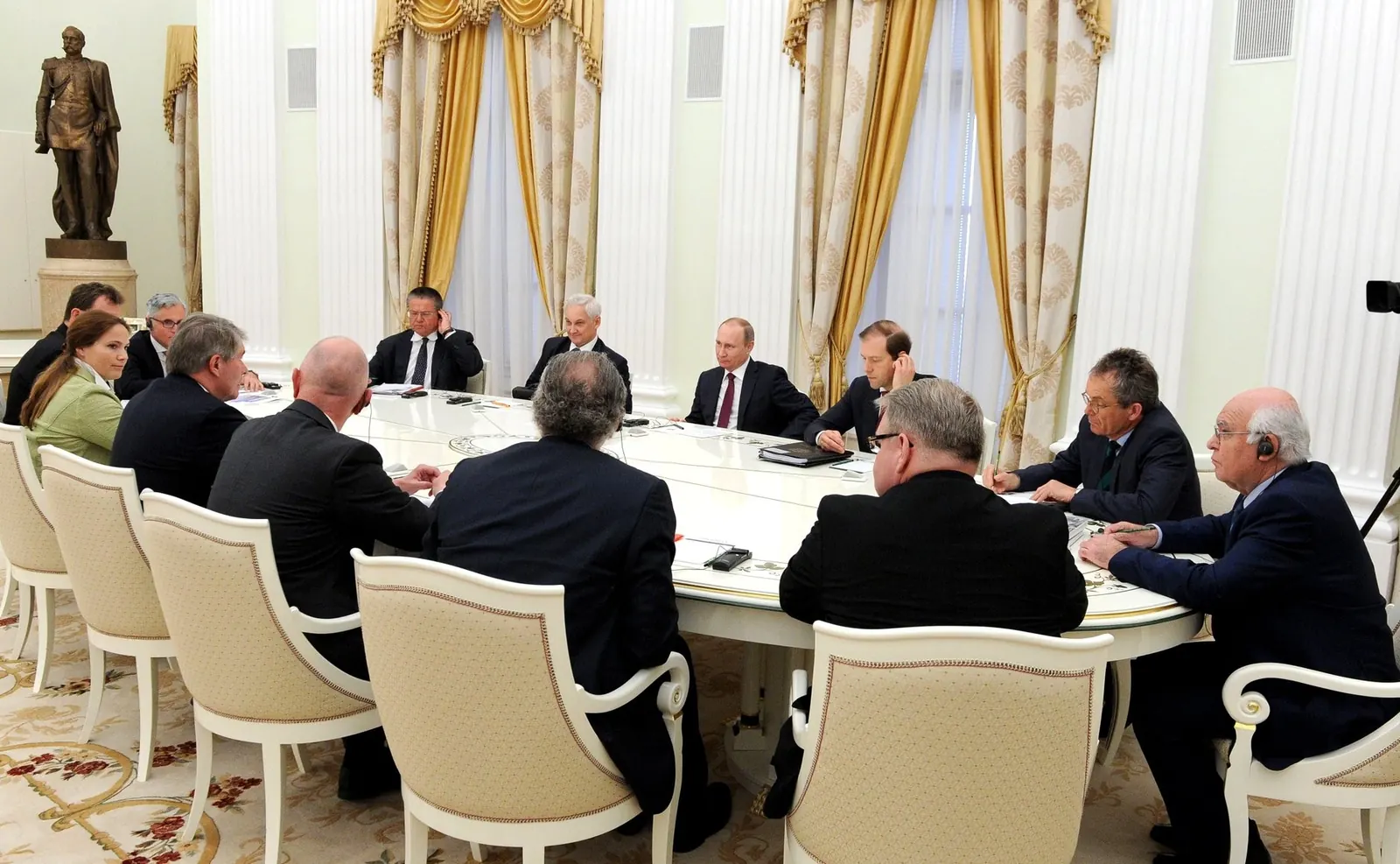
Translation is rarely a goal in itself. It is a step towards something else: selling a product abroad, publishing a book, explaining a service to residents, sharing research or settling a personal matter in another country. The purpose shapes almost every decision, from who should do the work to how it should be checked.
Below are six common groups of people who commission translation, with the questions each one is best off answering before any text changes hands. If your situation sits between two groups, read both sections.
Manufacturers and technical companies
Manufacturers tend to send large volumes of text that repeats itself: manuals, safety sheets, packaging, parts lists, software menus. The wording must be precise and consistent, because a reader may be following the steps while standing next to a machine.
Questions to settle first
- Which terms are fixed and must never vary? Build a glossary and style guide before the first page is translated.
- Who on your side can answer technical queries quickly, and in what form?
- Will the text be updated often? If so, ask how earlier translations can be reused so only the changes are handled.
- Are the source files editable? See preparing files for translation.
- Does anything need a specialist reviewer, as described in translating contracts and technical documents?
Publishers and content producers
Books, magazines, games, films and educational materials depend on voice. A literal rendering can be accurate and still feel flat. Publishers need a translator who writes well in the target language, not only one who reads the source well.
Questions to settle first
- What tone should the reader hear: formal, playful, restrained, conversational?
- How much freedom does the translator have with jokes, wordplay, idioms and cultural references?
- Will a second person edit the result? A fresh pair of eyes often catches what the translator no longer sees. Read more on proofreading and editing.
- How will names, titles and recurring phrases be handled across a series?
Public bodies and institutions
Councils, health services, schools, museums and agencies translate information so that people can understand their rights, find services and follow instructions. Clarity and fairness matter more than flair. The audience is often mixed, with varying reading levels and sometimes several dialects or regional varieties of one language.
Questions to settle first
- Who exactly is the reader, and what do they already know?
- Is plain wording required in the source text before translation starts? Simplifying the original usually improves every version.
- Will some documents need a stamp, signature or declaration? Check sworn and certified translations explained.
- Is spoken help needed as well as written? Compare the options in translation vs interpreting.
Researchers and academics
Researchers translate papers, interview transcripts, archival material and survey instruments. Two worries dominate: keeping specialist terms exact and keeping the original meaning intact when quoting or analysing sources.
Questions to settle first
- Is the goal to publish in another language, or to understand material in a language you do not read?
- Do you need a readable rendering, or a close one that shows the structure of the original, even if it sounds stiff?
- Which terms have established equivalents in your field, and which are still debated?
- If you are tempted to use machine translation with human review for a first pass, decide which passages need full human attention.
Small businesses
A small business usually needs a handful of things: a website, a product range, a menu of services, some correspondence with suppliers or customers. Budgets are limited, so it matters to spend effort where readers will notice it most.
Questions to settle first
- Which pages or documents carry the most weight for a customer's decision? Start with those.
- Does the website need adapting as well as translating, such as dates, currencies, units and examples? See localisation for websites.
- Who will answer replies in the new language? A beautifully translated page followed by an unreadable email exchange can undo the good work.
- What is a sensible budget, and what drives it? What translation costs and why explains the factors.
Individuals
Individuals often arrive with a specific document: a certificate, a diploma, a letter, a family record, a set of instructions. The question is usually practical and time-bound, and the receiving organisation may have its own rules about format.
Questions to settle first
- Who will read the translation, and what do they require from it? Ask them before you order.
- Does the document need to be certified or sworn, or is a plain translation enough?
- Is the scan clear, and are stamps, handwriting and marginal notes legible?
- How are names, places and dates to be spelled? Transliteration choices should match your other documents, such as a passport.
Questions every group shares
Whatever the sector, a few points come up every time:
- Purpose. What should the reader do or feel after reading?
- Audience. Which country, region and level of expertise?
- Deadline. Good work needs time for questions and review.
- Format. What should the final file look like?
- Review. Who signs off, and by when?
For a step-by-step view of how a job moves from first message to delivery, read how translation projects work. If you are ready to ask about a specific job, the contact page shows how to get in touch.